Introduction
In the high-stakes world of Forex trading, success is often determined not only by technical knowledge or market analysis but also by a trader's emotional intelligence and psychological resilience. Emotional intelligence (EI) plays a critical role in managing stress, making rational decisions under pressure, and sustaining long-term profitability. This article explores the connection between emotional intelligence and trading psychology, offering actionable insights for traders at all levels.
Understanding Emotional Intelligence
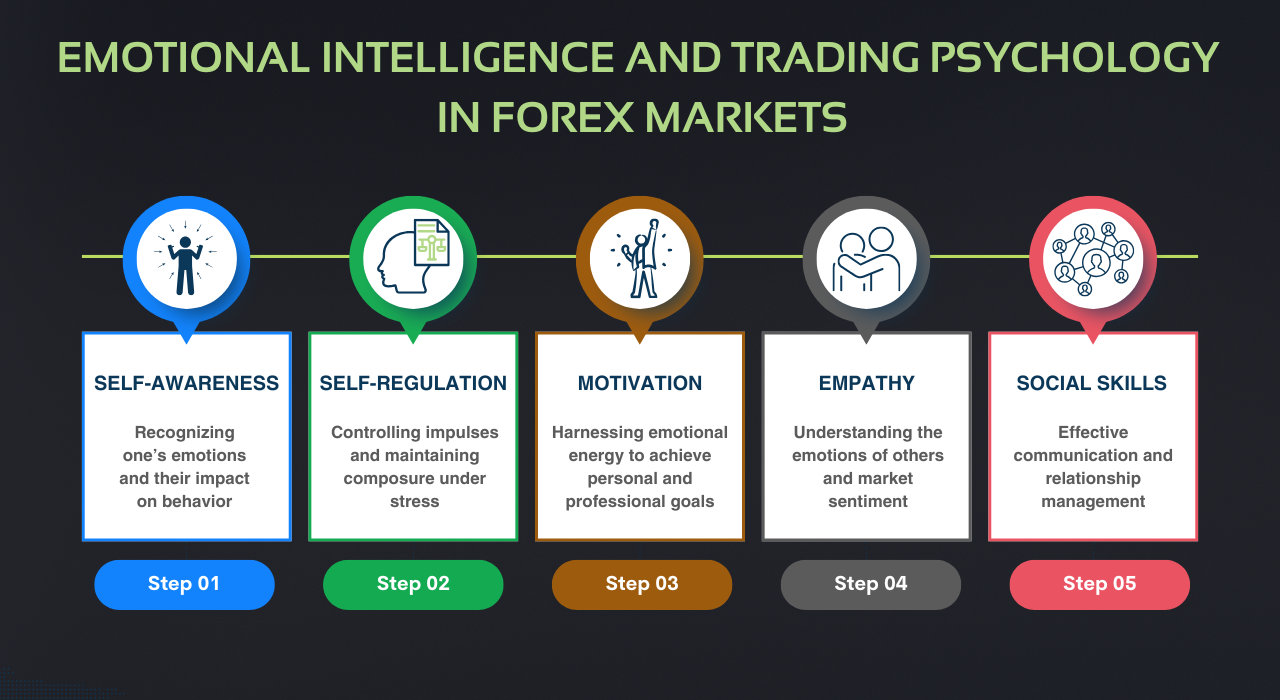
Emotional intelligence refers to the ability to recognize, understand, and manage one’s own emotions while also perceiving and influencing the emotions of others. Psychologist Daniel Goleman, a pioneer in the field, divides EI into five core components:
- Self-awareness – Recognizing one’s emotions and their impact on behavior.
- Self-regulation – Controlling impulses and maintaining composure under stress.
- Motivation – Harnessing emotional energy to achieve personal and professional goals.
- Empathy – Understanding the emotions of others and market sentiment.
- Social skills – Effective communication and relationship management.
In trading, self-awareness and self-regulation are particularly critical. Understanding emotional responses to gains and losses can prevent impulsive decisions that jeopardize capital.
The Role of Trading Psychology
Trading psychology refers to the mindset and behavioral patterns that influence a trader’s decision-making process. Key psychological challenges include:
- Fear and Greed: Emotional extremes that lead to overtrading or avoidance.
- Loss Aversion: The tendency to hold losing positions too long while taking profits too quickly.
- Overconfidence: Ignoring market signals due to inflated self-assessment.
- Stress and Burnout: High-pressure trading can result in poor judgment and errors.
By integrating emotional intelligence into trading strategies, traders can mitigate these biases and improve performance consistency.
Practical Strategies for Enhancing EI in Trading
- Mindfulness and Meditation: Daily practices to improve focus, reduce stress, and cultivate emotional regulation.
- Trading Journals: Recording trades along with emotional states helps identify patterns and triggers.
- Goal Setting and Discipline: Defining clear, achievable objectives reduces impulsive decisions.
- Scenario Analysis: Preparing for different market conditions can prevent reactive behavior.
- Continuous Learning: Studying both technical and behavioral aspects of trading reinforces self-confidence.
Conclusion
In Forex trading, technical skills alone are insufficient for long-term success. Emotional intelligence and trading psychology are equally vital components. Traders who develop self-awareness, self-regulation, and emotional resilience are better equipped to navigate market volatility, manage risk effectively, and maintain consistent profitability. Investing time in understanding one’s emotional patterns is not just a personal benefit but a strategic advantage in the competitive landscape of Forex markets.