.png)
In the fast-paced world of forex trading, currency prices rarely move at random. Instead, they react swiftly and often dramatically to new information. Among the most influential drivers of these movements is economic news. From central bank announcements to employment reports, economic data can cause sharp fluctuations in currency values within minutes. Understanding how economic news affects currency prices is essential for traders, investors, and anyone involved in international finance.
Understanding Currency Price Movements
Currency prices are determined by the supply and demand for different currencies in the global market. When more people or institutions want to buy a particular currency, its value rises relative to other currencies. Conversely, if demand decreases or supply increases, the currency depreciates. Economic news acts as a catalyst for these demand and supply shifts, as it provides market participants with new information about the health of an economy.
Key Economic Indicators and Their Impact
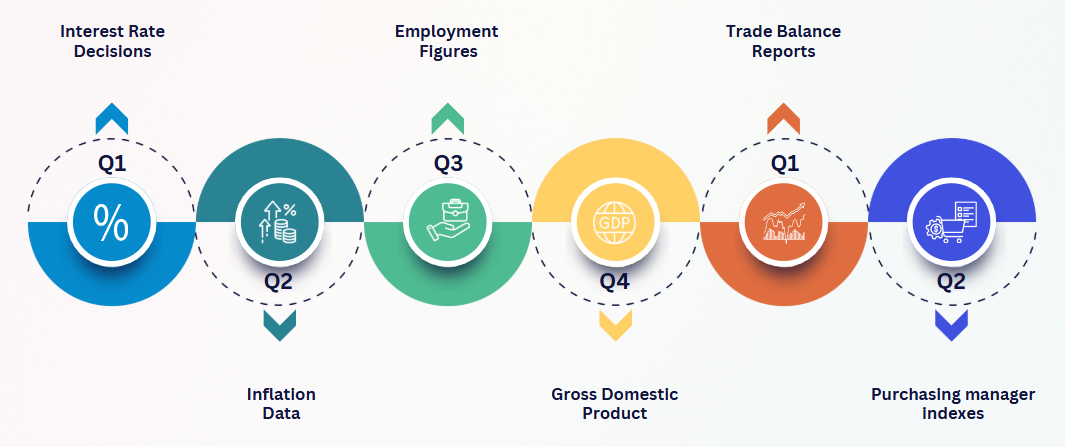
1. Interest Rate Decisions
One of the most significant economic factors affecting currency prices is interest rates set by central banks. Higher interest rates typically attract foreign investment, increasing demand for the currency and causing it to appreciate. Conversely, lower rates can lead to depreciation as investors seek higher returns elsewhere.
2. Inflation Data
Inflation reports, such as the Consumer Price Index (CPI), indicate the rate at which prices for goods and services are rising. Higher inflation often prompts central banks to raise interest rates, boosting the currency. On the other hand, low or declining inflation may signal economic weakness, potentially leading to currency depreciation.
3. Employment Figures
Employment statistics, such as non-farm payrolls in the United States, are closely watched by forex traders. Strong job growth suggests a robust economy, which can strengthen the national currency. Conversely, weak employment data may signal economic slowdown, reducing investor confidence in that currency.
4. Gross Domestic Product (GDP)
GDP measures the overall economic output of a country. Higher-than-expected GDP growth can signal economic strength, increasing demand for the currency. If GDP growth falls short of expectations, the currency may weaken as investors anticipate slower economic activity.
5. Trade Balance Reports
Trade balance data reflect the difference between a country’s exports and imports. A positive trade balance (more exports than imports) generally supports the currency, while a negative balance can exert downward pressure.
Market Reactions to Economic News
When major economic news is released, markets often react immediately. Traders quickly interpret the data, and their collective actions can cause rapid currency price fluctuations. Some key patterns include:
- Volatility: Economic announcements often trigger short-term spikes in volatility. Traders need to be prepared for sudden price swings.
- Trend Reinforcement: Positive economic news may reinforce existing trends, while negative news can reverse them.
- Speculation: Anticipation of economic news can influence prices even before the data is released, as traders position themselves based on expectations.
Strategies for Trading Around Economic News
Professional forex traders often adopt specific strategies to navigate market reactions to economic news:
- Stay Informed: Monitoring economic calendars helps traders anticipate major announcements.
- Use Stop-Loss Orders: Protecting positions against sudden volatility can limit potential losses.
- Focus on High-Impact News: Prioritizing the most influential reports, such as central bank decisions and employment data, can lead to better-informed trading decisions.
- Avoid Overtrading: Reacting impulsively to minor news can increase risk without offering significant reward.
Economic news is a powerful driver of currency prices. By providing insights into interest rates, inflation, employment, GDP, and trade balances, it shapes the expectations of traders, investors, and financial institutions worldwide. Understanding how these reports influence market sentiment and currency demand is crucial for anyone participating in the forex market. Staying informed, analyzing trends, and employing strategic risk management can help traders navigate the complex interplay between economic news and currency price movements.